
 LearnAbility
Understanding Specific Learning
Disability (SLD): Every Child Can Learn
LearnAbility
Understanding Specific Learning
Disability (SLD): Every Child Can Learn"Empowering Abilities • Promoting Inclusion • Transforming Lives"
An initiative of Bharat Educational and Social Charitable Trust, Puducherry, India for the ‘Rehabilitation of Differently Abled’
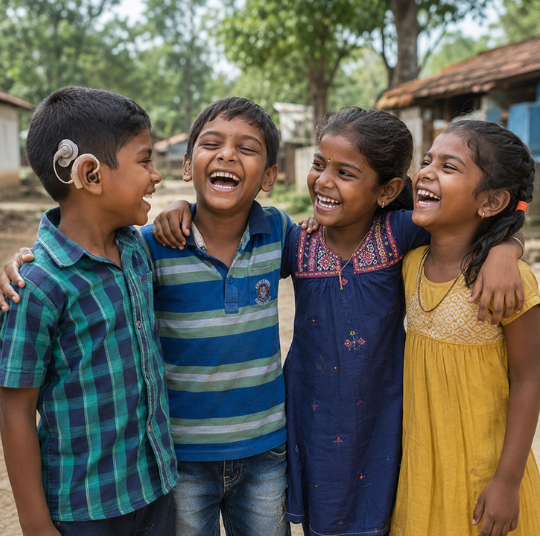
Every child is unique. While some children learn quickly through traditional teaching methods, others may need a different approach to understand, read, write, or solve mathematical problems. These children are not less intelligent—they simply learn differently.
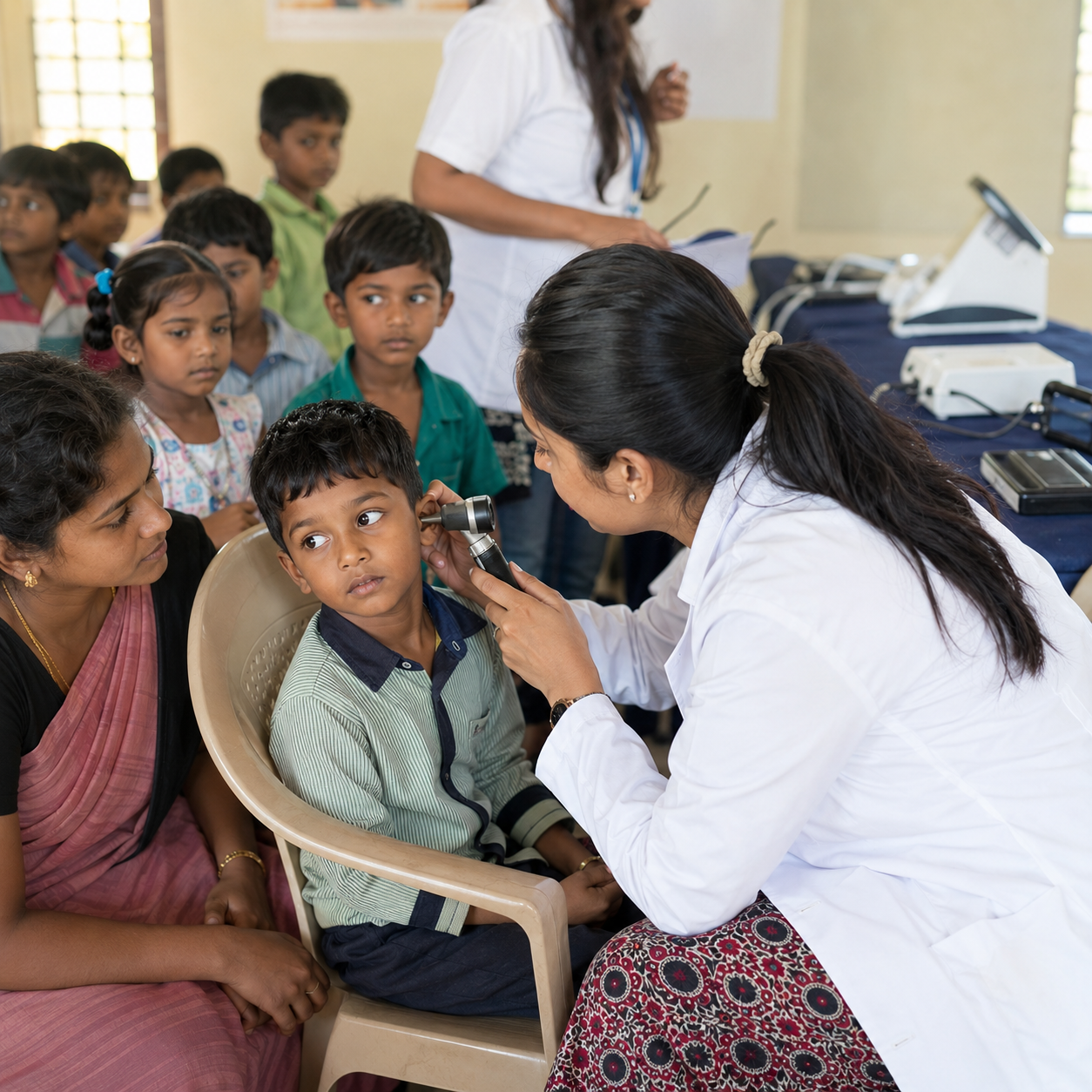
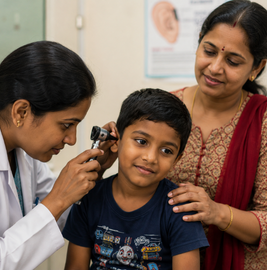
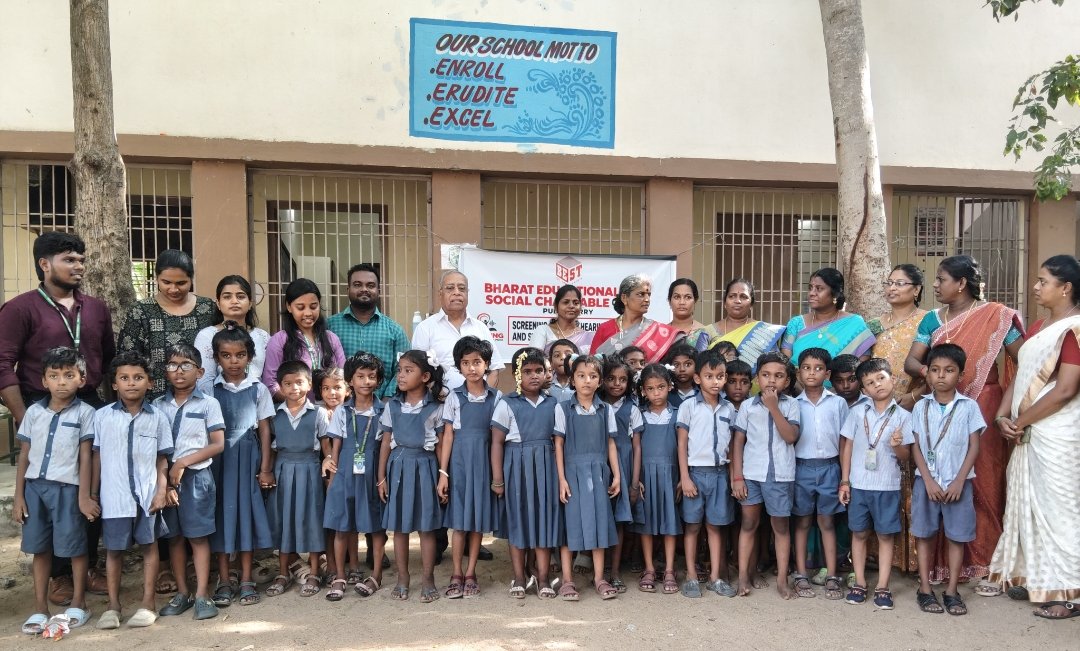
Through its Rehabilitation for the Differently Abled initiative, Bharat Educational and Social Charitable Trust, Puducherry, is committed to creating awareness about Specific Learning Disability (SLD), promoting early identification, and supporting children and families with appropriate educational and rehabilitation services.
Our belief is simple: "Every child can learn when given the right support, encouragement, and opportunity."
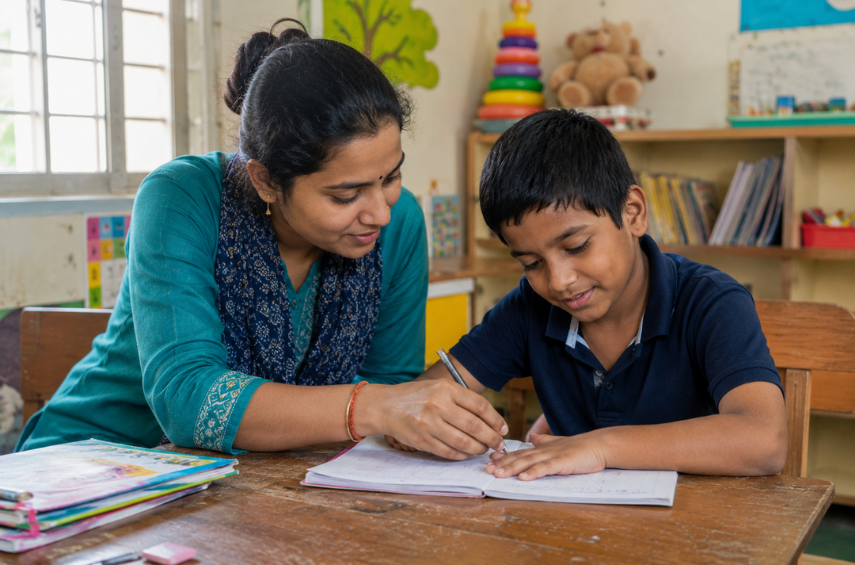
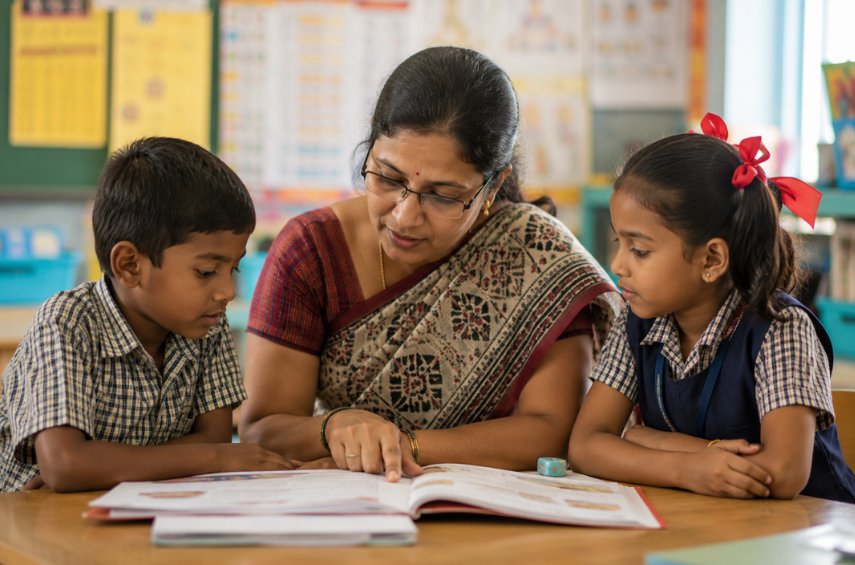
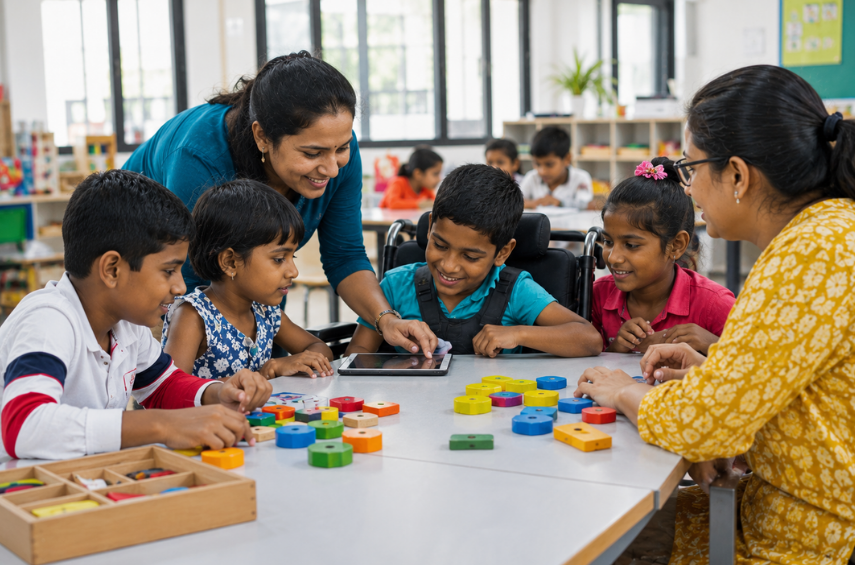
"Every child can learn when given the right support, encouragement, and opportunity. Children with SLD are not less intelligent—they simply learn differently."
Specific Learning Disability (SLD) is a neurodevelopmental condition that affects the way a child receives, processes, stores, or expresses information. It mainly impacts academic skills such as reading, writing, spelling, and mathematics, even though the child has normal or above-average intelligence.
SLD is not caused by laziness, poor parenting, lack of effort, or low intelligence. With early intervention and appropriate teaching strategies, children with SLD can achieve remarkable success.
Early identification is essential. A child may need further assessment if they display several of the following:
Fact: Most children with SLD have average or above-average intelligence. They simply process information differently.
Fact: Children with SLD often work harder than others but require specialized teaching methods.
Fact: Early intervention, specialized teaching, family support, and encouragement make a significant difference.
Children thrive when families, schools, and communities work together:
Parents play a vital role in building confidence:
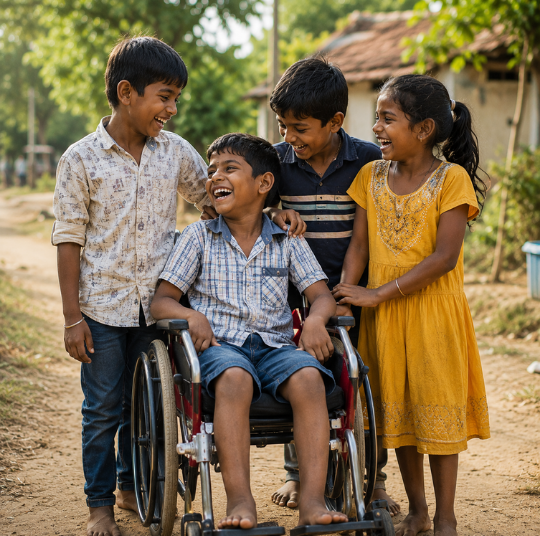
Inclusive education ensures that children with different learning needs have equal opportunities to succeed. Schools can support inclusion by:
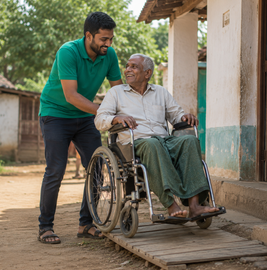
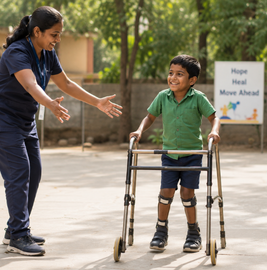
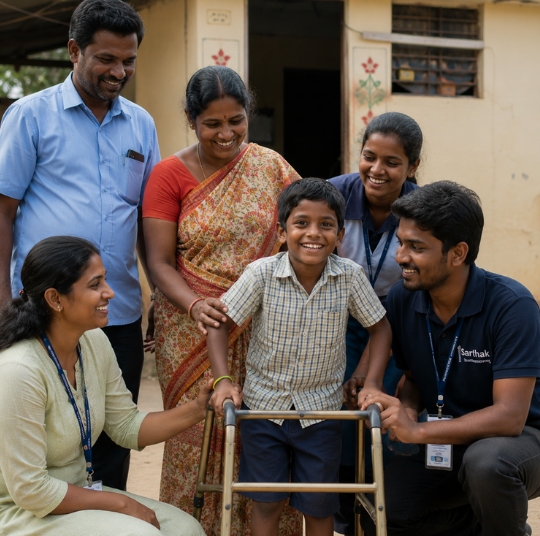
Under its Rehabilitation for the Differently Abled programme, Bharat Educational and Social Charitable Trust, Puducherry, is dedicated to:
A child with a Specific Learning Disability does not need pity—they need understanding, patience, and the right support. When we recognize their strengths, encourage their efforts, and provide opportunities to learn in ways that suit them, they can achieve extraordinary success.
Many scientists, artists, entrepreneurs, and leaders have overcome learning challenges to make lasting contributions to society.
Every child learns differently—but every child deserves the chance to succeed.
“Empowering Abilities • Promoting Inclusion • Transforming Lives”